
Taking Better Wildlife Photos
By Vidya Menon
I’m not a huge believer in hard and fast rules for settings and gear when it comes to wildlife photography. So much depends on the specific animals you are photographing as well as your strengths as a photographer.
For example, I often use shutter speeds much slower than what is commonly recommended because I know I can stabilize my camera well enough for sharp shots (without a tripod). Other folks might want the support of a monopod or tripod, or choose to use higher shutter speeds. I encourage you to experiment with your settings, lenses and editing to see what works best for the images you’re trying to create.
That said, I do think there are some universal tips that can help elevate your wildlife photography.
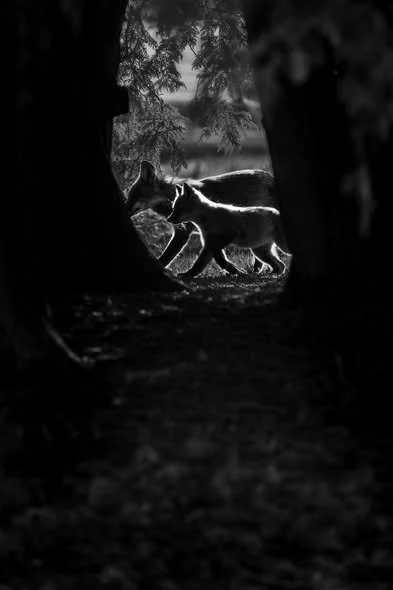
Image by Vidya Menon
GET TO KNOW YOUR SUBJECT
I think this is the single most important thing you can do as a wildlife photographer, for both ethical and artistic reasons. Learning how to read when an animal is stressed or comfortable from their body language is critical for whatever species you’re choosing to photograph. It’s also important to know that stress responses can vary quite drastically from species to species, even within similar groups of animals.
For example, small owls like saw whet owls or short-eared and long-eared owls will often freeze in position when stressed to try to avoid detection. People will often think that these species are comfortable with their presence because they are so still, but the opposite is true. In contrast, in my experience, larger owls like barred and great horned owls tend to fly away when they are upset by your presence. So try to learn the specifics of whatever subject you’re aiming to photograph.
From an ethical standpoint, when we’re photographing animals in nature, we should do our best to minimize harm to our subjects. This is especially true in winter when food is scarce and temperatures are low. It can cost animals a critical amount of energy to flee from you, at a time when replenishing it can be difficult. Now is it possible to be perfect? No. I have accidentally flushed animals when I wasn’t able to spot them in time (often causing mutual heart attacks…), but the important thing is to learn from your mistakes and try to improve.
From an artistic perspective, the best photos come when a subject is comfortable with your presence. You can have the space and time to try different angles and compositions. You can also capture interesting behaviours or poses that will be missed if a creature is stressed or fleeing. So read books and articles, listen to podcasts, attend workshops and talk to reputable experts, and spend as much time as you can simply observing them in their natural environments
To illustrate this, when I was photographing a fox family last spring, the mother fox would ignore my presence when I was shooting from the car, but would instantly call her kits and send them into the den if she saw me outside my vehicle. So I stayed inside the car and was able to capture images of mom and kits playing together. It took a little bit of creativity to find compositions that worked, but I think the extra effort was worth it to keep the little family comfortable.
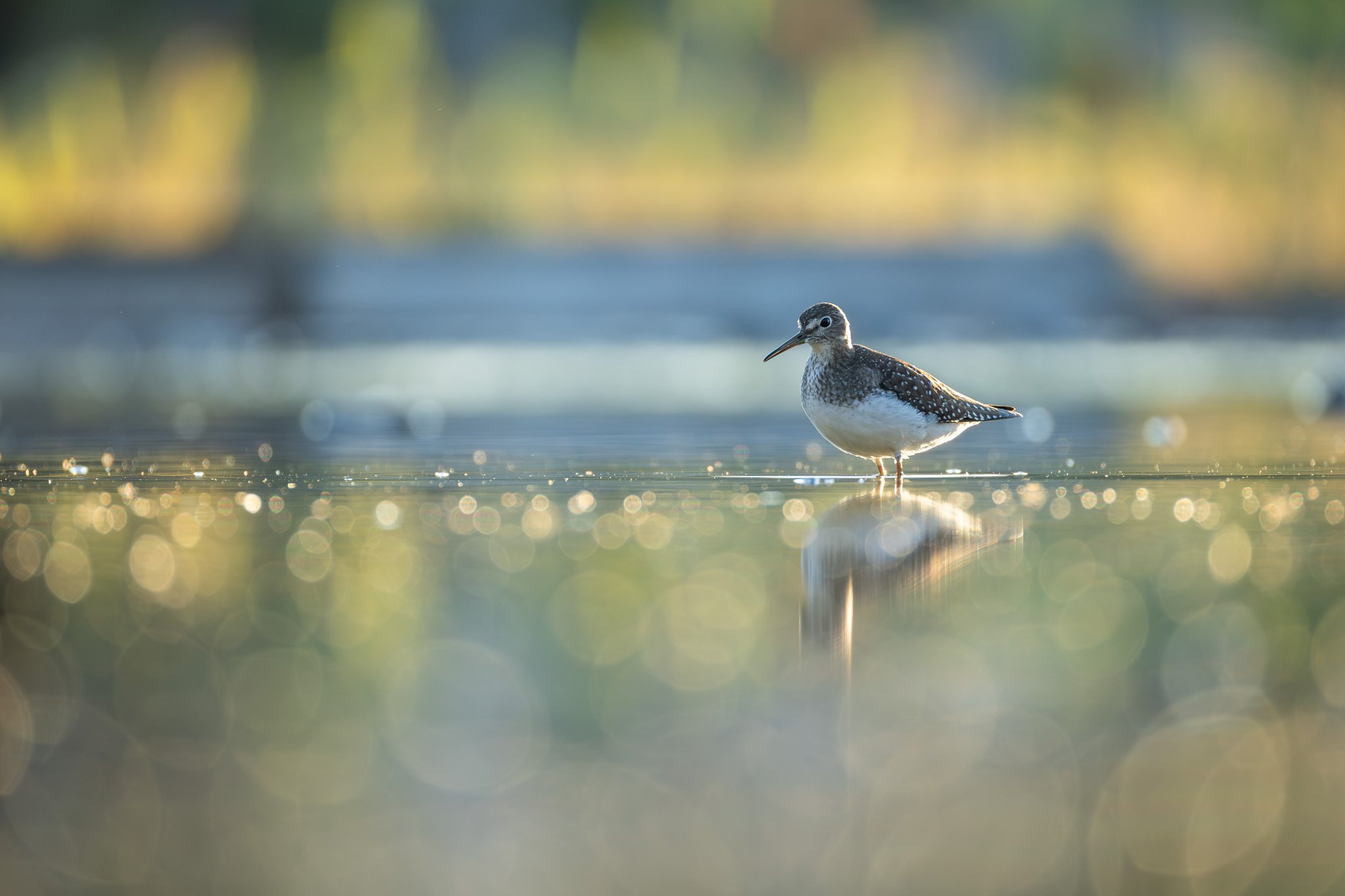
Image by Vidya Menon
WORK LOCALLY
I truly believe the more time you spend with a species, the more you will understand their behaviour and the more opportunities will present themselves to take unique images. This is because you can start predicting what individuals will do based on experience rather than just reacting as things happen. Think of it as making your own luck. As an example, after observing warblers (a family of small, brightly-coloured, migratory birds) for years, I have a good idea what plants and habitats attract them during migration. So during those times of the year, I choose those specific areas to do my rounds. Wildlife photography is a game of patience, and sometimes you do walk away with nothing, but knowing where to look definitely increases the chance of success.
You can also consider working locally as practice for those big, once in a lifetime trips. Malcolm Gladwell hypothesised that it takes 10,000 hours to master a subject. While I question the exact figure, I think there’s some truth to it. Practicing with a subject is almost like building a playbook, where you develop the knowledge and reflexes to handle different scenarios as they might occur. We all love to travel and take photos of exotic critters, but it can be devastating to miss a shot in a place you can’t easily get back to. So get in those 10,000 hours locally; dial in those settings and miss the shots when you have opportunities to go back and try again. It’ll make capturing those trip and workshop images so much easier!
THINK BEYOND BASIC PORTRAITS OF LARGE CREATURES
But what if you think there are no interesting animals around you? Well I would take it as a challenge to look a little deeper and get creative! There are different species of insects, birds and small mammals all around us, even in the biggest cities. When I was sidelined by an injury last summer, I spent time in my backyard trying to capture macro images of the different species of leaf hoppers, spiders, bees and flies I found there. Practicing on such small and flighty creatures certainly improved my reflexes and focusing skills.
Think small in frame! Not every image needs to be a close-up portrait. The compositional skills you develop as a landscape or street photographer can translate to creating unique wildlife images as well. Choosing to go wider can also be important from a storytelling perspective, as it can show the connections between the animal and place it lives.
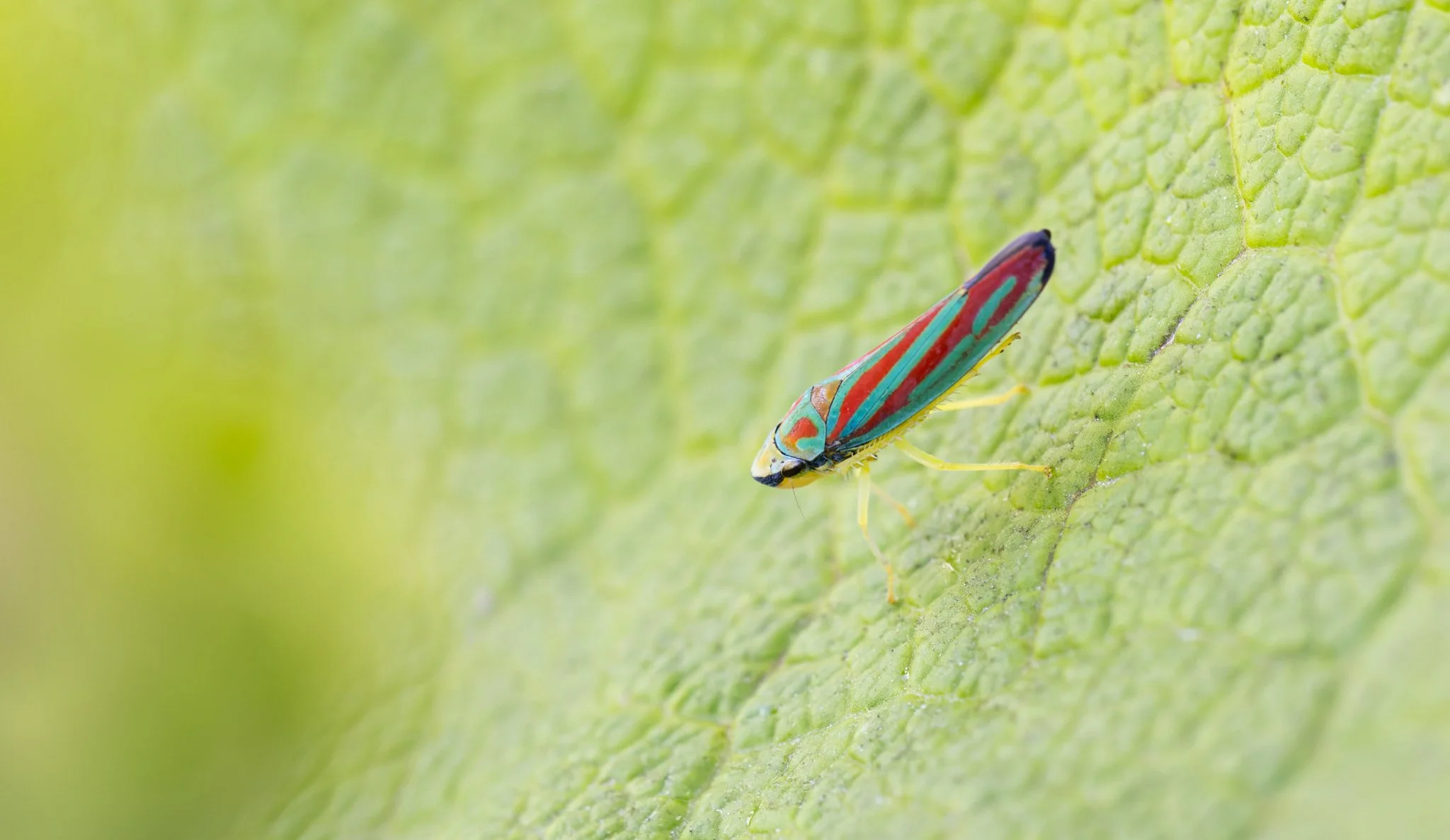
Image by Vidya Menon
Use light in creative ways. Instead of positioning yourself to always light your subject from the front, consider adding drama and depth to images using backlight or sidelight. While you may have less control over shaping light in the way you can in a portrait studio or outdoors with human subjects, with a little luck and patience it’s still possible to plan to have natural light in certain positions relative to creatures you’re photographing. This is another advantage to working locally: understanding the play of light in different areas helps predict what images will be possible.
Wildlife photography is certainly one of those genres that requires a lot of patience and a little luck. But putting in the time in nature can be a tremendously rewarding experience in and of itself: you gain a deeper knowledge and respect of the life and biodiversity that surrounds us. I truly believe with that greater knowledge and respect comes better photography.
Upcoming Workshops featuring wildlife photography opportunities include: